

Welcome to the latest in our Meet The Scientist blog series.
Our Meet The Scientist blog series aims to bring innovative research on childhood-onset heart disease (CoHD) closer to our community, showcasing the real-world impact for those navigating CoHD. In this edition, you’ll meet Dr. Osvaldo Contreras – Senior Postdoctoral Researcher in cardiovascular research at the Victor Chang Cardiac Research Institute.

Introduction
My name is Osvaldo Contreras, and I am a Senior Postdoctoral Researcher specializing in heart development and disease at the Victor Chang Cardiac Research Institute and UNSW Sydney. As a cell and developmental biologist working under the mentorship of Professor Richard Harvey and Professor Sally Dunwoodie, my research focuses on two key areas. First, I seek to understand the mechanisms that drive early heart development and cause congenital heart defects (CHD). Second, I use this knowledge to explore how cells grow, with the ultimate goal of developing new therapies for heart failure and growth.
Research Highlights
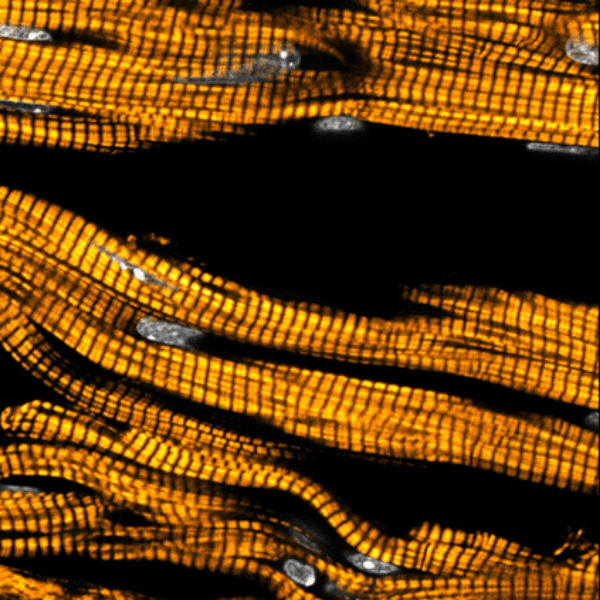
My work charts into the very beginnings of how the heart forms, aiming to understand what goes wrong in congenital heart disease. A key part of my research involves using stem cells to create models of both normal cardiac growth and disease. This allows us to observe and understand the intricate processes that lead to a healthy, or an unhealthy, heart.
My team and I are committed to improving the lives of children and families affected by heart conditions. By understanding the fundamental biology of heart development, we hope to uncover insights that will lead not just to novel therapies, which is the dream, but also to better diagnostics and knowledge-driven approaches. The ultimate goal is to translate these scientific findings into real-world benefits for patients and their families.
Community Impact
The research we are conducting has the potential to significantly impact future treatments and care for individuals with CHD. By identifying the underlying causes of these conditions or molecular disruptions that may drive these conditions, we can pave the way for more effective interventions and therapies for heart growth and failure.
Closing Thoughts
I believe that a strong partnership between researchers and organizations like HeartKids is essential for translating research findings into real-world benefits for patients and families. The progress being made in cardiovascular research offers a great deal of hope, and through collaboration, we can continue to make significant strides in improving the lives of those affected by congenital heart disease.
To stay informed about our research and other initiatives, I encourage you to subscribe to HeartKids updates and also to support fundamental research discoveries. Please share this blog to help raise awareness.