

Home >
What is Acute Rheumatic Fever (ARF) and Rheumatic Heart Disease (RHD)?
What is acute rheumatic fever (ARF)?
Acute rheumatic fever (ARF) can occur after an infection caused by Group A Streptococcus (Strep A) bacteria.
If the Strep A infection (typically a throat infection such as tonsilitis, or a skin infection) is not treated it can cause long term damage.
The body’s immune system mistakenly attacks its own tissue in parts of the body, like joints, the brain and the heart.
ARF is most common in children and adolescents 5-15 years of age, but can occur in younger children and adults. It occurs
especially in areas where access to medical care and antibiotics is limited. Aboriginal and Torres Strait Islander people are
disproportionately impacted by ARF.
The infection usually clears in a few days if it is diagnosed by a health professional and treated with antibiotics early.
Early diagnosis and prompt treatment of a Strep A infection significantly reduces the risk of developing ARF. If you think you or a loved
one might have had rheumatic fever in the past, talk to your local healthcare professional about getting tested for rheumatic heart disease.
Commons symptoms of ARF:
Pain and swelling in large joints (knees, ankles, hips, elbows, wrists)
Fever (high temperature, feeling hot and cold)
Skin rash
Jerky body movements called chorea
Chest pain (stabbing pain in chest)
Small, firm lumps under the skin near joints
What is rheumatic heart disease (RHD)?
Rheumatic heart disease (RHD) is the damage to one or more of the valves in the heart following ARF.
RHD happens because the immune system, originally fighting the Strep A infection, accidentally attacks the heart valves, sometimes causing permanent damage.
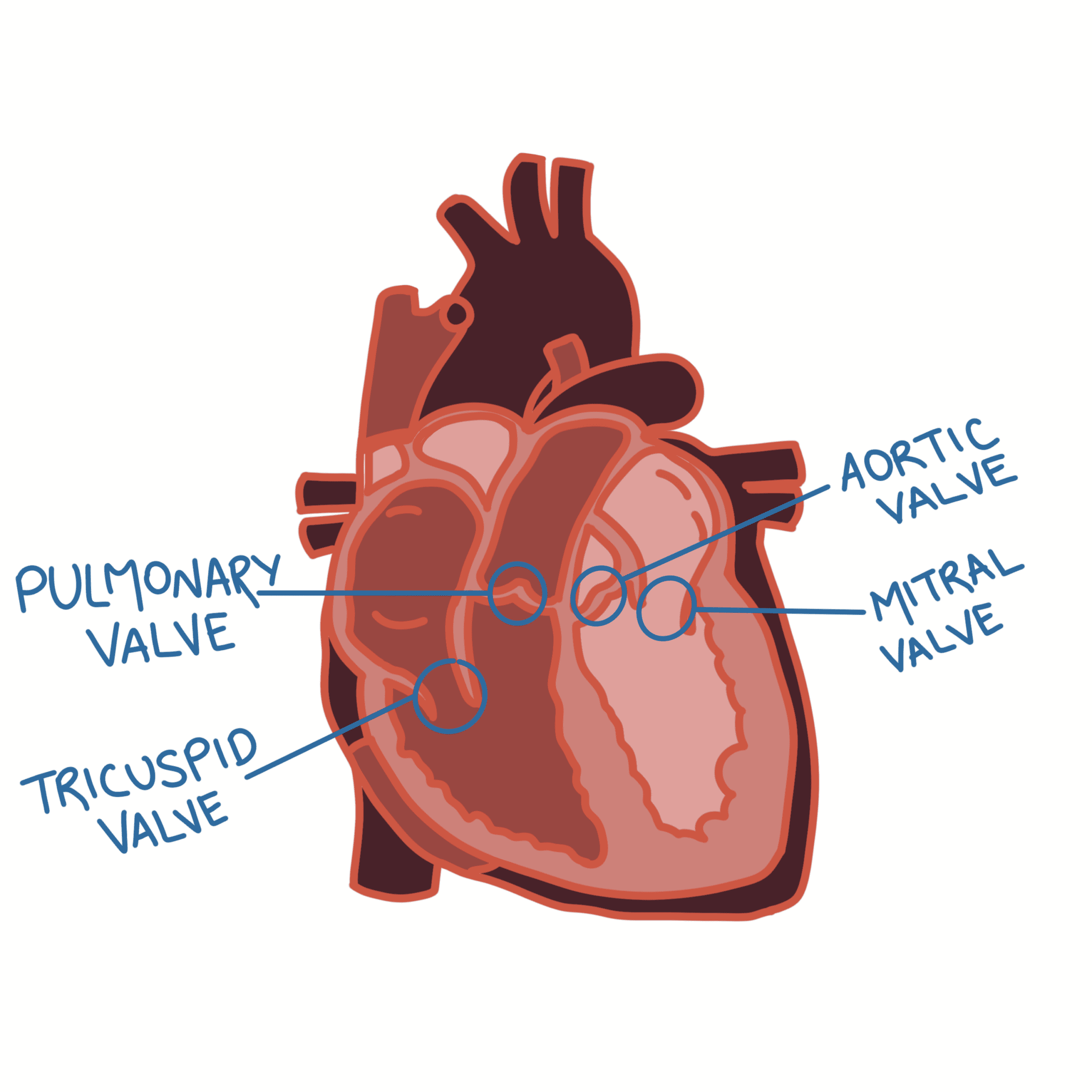
The heart has four valves
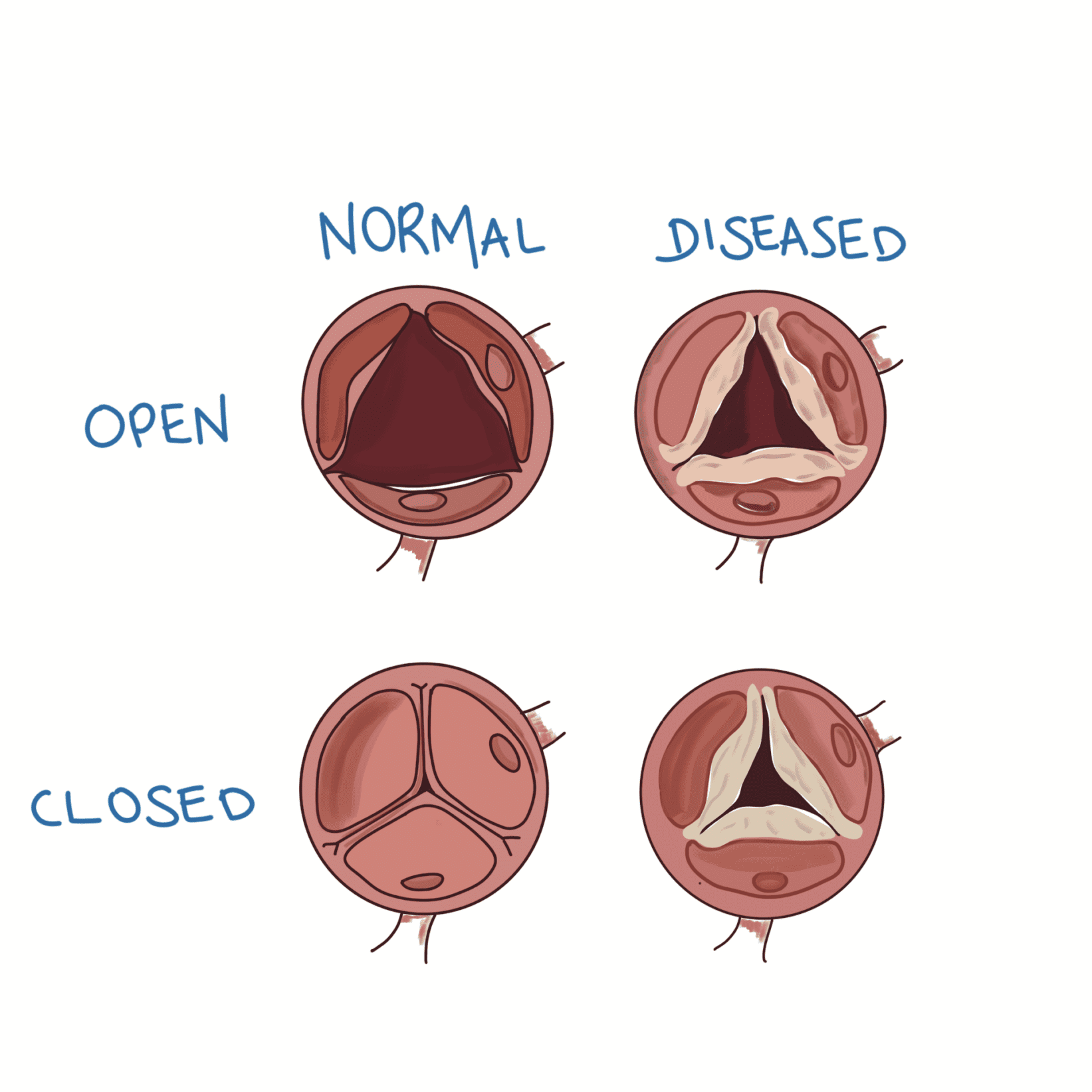
Healthy vs. damaged heart valves
This can make it harder for the heart to pump blood properly and can lead to serious complications that might need open heart surgery.
Diagnosing RHD
RHD is diagnosed using an echocardiogram (ultrasound of the heart). This test shows how well the heart and valves are working.
Managing RHD
People who get ARF are at risk of recurrences with future Strep A infections which can cause further damage to the heart valves. Recurrences of ARF can be prevented with regular penicillin injections.
Further damage to the heart from recurrences of ARF can be prevented. It is important to diagnose it early and keep seeing a doctor to stop it from getting worse.
Bicillin Injections
Bicillin (a slow-release penicillin) injections are the most common treatment for people with RHD.
Injections must be given every 21–28 days to protect the body from Strep A infections.
Injections need to be given into a largemuscle, such as the buttocks or thigh.
How long do people need Bicillin injections?
Most people need Bicillin injections for a long time. Usually, this means:
- At least 10 years after their last ARF, or
- Until they are at least 21 years old — whichever takes longer.
The doctor will check regularly and let you know how long you need to keep having the injections.
Protect Your Heart: Act Early!
Cover any skin sores.
Wash hands regularly.
Visit the clinic or doctor to treat sore throat or skin sores.
Acute rheumatic fever must be treated early to protect your heart and prevent rheumatic heart disease.
Resources for Families
HeartKids: Call 1800 432 785 or visit heartkids.org.au for information and support.
RHD Australia: Visit www.rhdaustralia.org.au for resources about ARF and RHD.
Local Aboriginal Medical Services: Many services offer targeted care for families affected by RHD.
School and community programs: Look for programs that provide education and support for managing RHD.
RHD (Rheumatic Heart Disease) affects many Aboriginal and Torres Strait Islander communities.
Things like not being able to see a doctor easily, overcrowded homes, and slow diagnoses make it more likely for people to get ARF and RHD. But if it’s found early and treated properly, RHD can be stopped or managed.
To reduce RHD, we need to make healthcare easier to access, stop infections early, and improve education and awareness about this disease. Fixing these problems can help make sure Aboriginal and Torres Strait Islander families have a healthier future.
HeartKids works closely with families impacted by RHD, providing support, education and advocacy. To learn more about how we can help, visit heartkids.org.au